
Decatur County Arrest Warrants Explained
Every arrest warrant in Decatur County starts with paper: a sworn complaint or affidavit laying out facts that support an offense. A judge or magistrate then weighs probable cause. Only after that review does the judge sign an order authorizing custody. Georgia Attorney General Opinion 2000-11 discusses a magistrate's warrant authority and why judicial action is required. Decatur Magistrate Court handles many warrant applications and preliminary matters. A felony prosecution moves on to Decatur County Superior Court, part of the South Georgia Judicial Circuit. State Court takes misdemeanors, and Bainbridge Municipal Court covers city traffic and ordinances. Figuring out which court is involved is the first practical step, because each custodian keeps a different slice of the Decatur County arrest warrant record.
Decatur County Arrest-Warrant Probable Cause
A Decatur County warrant moves through distinct stages: application, judicial review, issuance, execution, return, first appearance, bond decision, and disposition. Magistrate Court may hold the application, initial return, committal papers, and bond materials before a case transfers. The Superior Court clerk files executed warrants, indictments, accusations, and sentences.
- An officer or applicant presents sworn facts to a judicial officer.
- The judge decides whether those facts establish probable cause.
- If issued, the warrant commands an authorized officer to make the arrest.
- After execution, the return documents service and the court process continues.
Different Decatur County offices can hold different stages of the same warrant. So name the record you want, not just ask whether "something is on file."
Inside a Decatur County Arrest Warrant
No local sample warrant is published, so the field inventory here comes from official Georgia rules and court-form models. A copy may omit identifiers, stay sealed, or be withheld while an investigation runs. Not every Decatur County arrest warrant shows every field.
| Record identifier | A court or warrant number, sometimes displayed as WARRANT RECORD. |
|---|---|
| Applicant and agency | The officer or agency presenting sworn facts. |
| Offense basis | The alleged offense, citation, and probable-cause statement. |
| Issuing authority | The judge, magistrate, court, and date of issuance. |
| Execution and return | Service status and the officer’s return to court. |
| Bond and appearance | Any authorized bond category and first-appearance information. |
Read the status line with care. "Issued," "served," "returned," "dismissed," and "disposed" mark different events in a Decatur County warrant file, not one blur of "active."
Decatur County Arrest-Warrant Court Role
The official Superior Court page ties together the Clerk of Court, the district attorney, the public defender, and the South Georgia Judicial Circuit for felony matters. Cecilia Willis serves as Clerk of Superior Court and Decatur County Clerk of Court. The courthouse sits at 112 West Water Street in Bainbridge, and the clerk's published number is 229-248-3025. That page lays out the institutional setting a Decatur County arrest warrant enters once a felony matter reaches Superior Court.
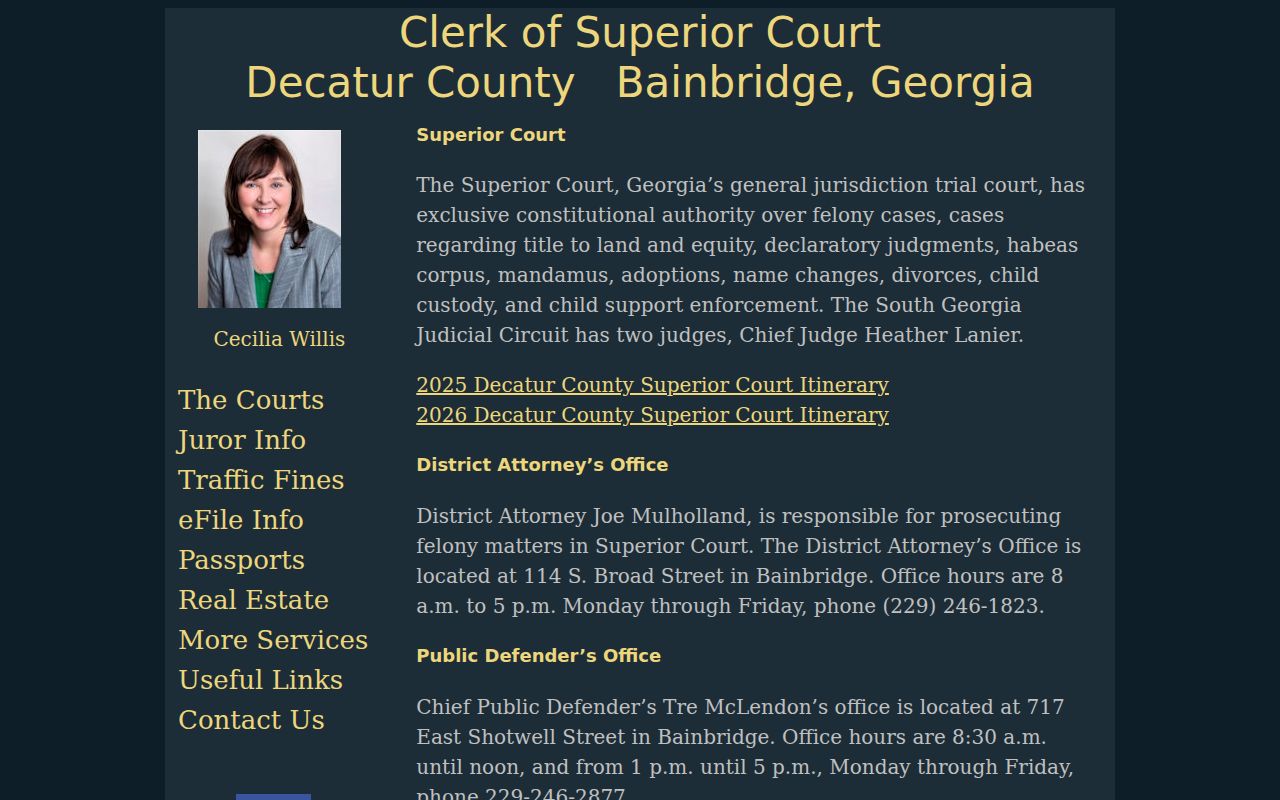
The page is not a live warrant roster. It does show where filings, prosecution, defense, and court administration fit in a Decatur County case.
Serving Arrest Warrants in Decatur County
The Decatur County Sheriff's Office carries countywide authority: making arrests, serving writs, running the jail, and guarding courtrooms. Municipal police work inside city limits, and agencies coordinate often. Service can happen during direct contact, a traffic stop, or a planned surrender. Georgia.gov warns that asking in person can mean immediate custody if a warrant is confirmed. Booking and first appearance are separate events after service. Georgia Uniform Magistrate Court Rule 25 governs first appearance, and the local jail page explains bond categories. A return should document execution and flow back into the court record. One thing an arrest does not do is erase the warrant file or settle the criminal charge itself.
Decatur County Arrest-Warrant Access
The Georgia Courts eAccess directory lists participating court-record providers, including Decatur State and Superior pathways. Accounts, search terms, access rules, sealing, and update timing all shape what appears. Court access can surface case activity. It is not a complete public warrant database, and the directory publishes no named Decatur County arrest warrant list.
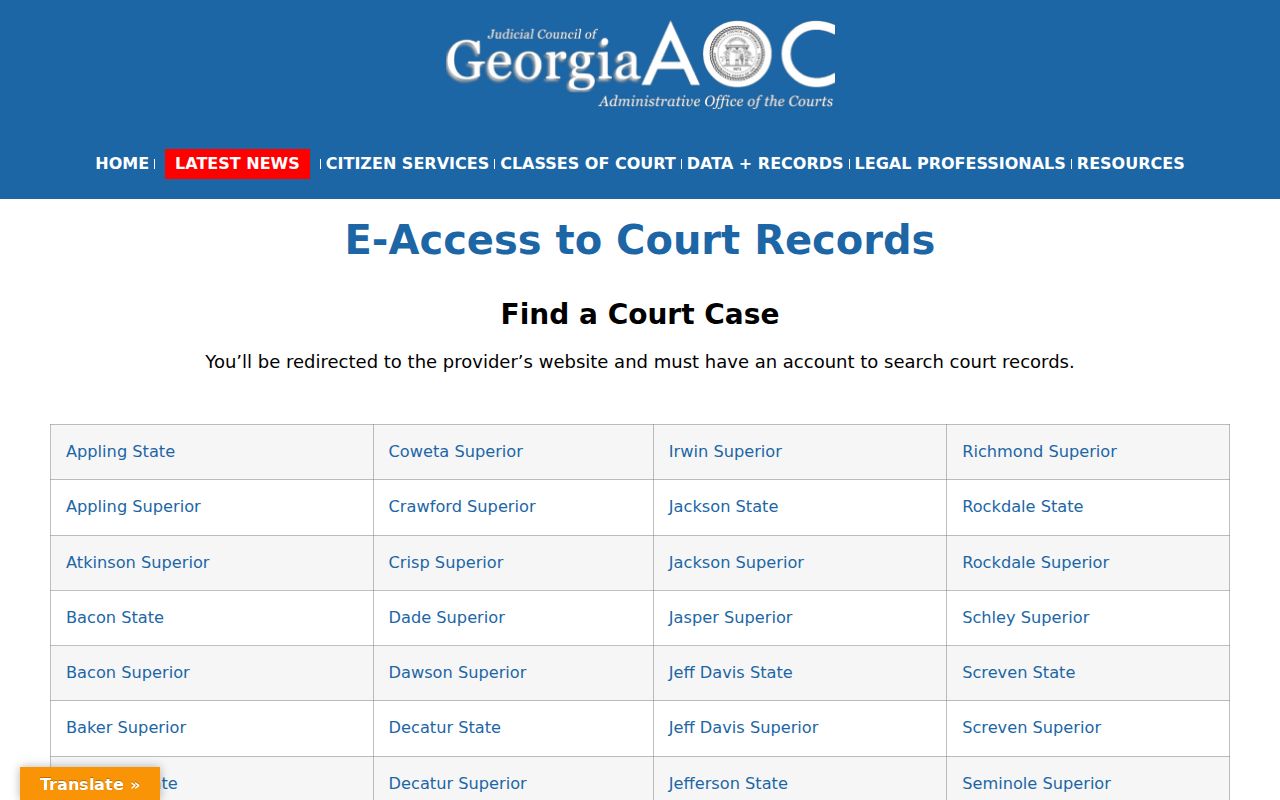
If an online Decatur County court search comes up empty, call the responsible clerk. Then try the sheriff for current custody or execution details. Note the date and office behind any status answer.
Decatur County Arrest and Bench Warrants
These instruments demand different responses. An arrest warrant commands custody on probable cause. A summons tells a person to appear, without arrest. A bench warrant usually follows a missed duty in a case already underway. Mix them up, and a Decatur County inquiry lands with the wrong custodian.
| Instrument | Basis | Immediate effect | Proper response |
|---|---|---|---|
| Arrest warrant | Probable cause | Authorizes arrest | Counsel, safe surrender, first appearance |
| Summons | Charge or hearing notice | Orders appearance | Attend as directed |
| Bench warrant | Missed obligation | Authorizes custody | Issuing-court recall process |
The Decatur County bench warrant search page explains missed-setting records in greater depth.
Requesting Decatur County Arrest-Warrant Documents
For a status question, start with the Sheriff's Office at 229-248-3044, the Magistrate Office at 229-248-3014, or the likely clerk. For copies of non-exempt sheriff records, the official Open Records contact is ehitchcock@decaturso.com. Put any written request in terms an office can act on: the agency, the record category, an approximate date range, and the format you want. Ask separately for the arrest-warrant application, the signed warrant, the execution return, the first-appearance record, the bond record, and the disposition. The Georgia Open Records Act, O.C.G.A. §§50-18-70 et seq., generally opens public records but allows exemptions. A custodian may redact private details or withhold sealed, juvenile, or pending investigative material. And a record missing from a response is not a legal conclusion about warrant status.
If There Is an Arrest Warrant for You
Bring in a lawyer before you act. Counsel can find out which court issued the Decatur County arrest warrant, arrange a coordinated surrender, explore bond options, and file a motion if one fits. A clerk will walk you through procedure. The clerk cannot shape a defense strategy for you. For finding a public defender, Georgia Courts publishes a free finder tool that points to the right office.
- Verify the issuing court through an independently published official number.
- Ask counsel about custody risk, voluntary surrender, first appearance, and bond.
- Bring requested identification and case papers only through the confirmed procedure.
- Keep the bond, return, and later disposition records together.
Important: Do not approach law enforcement casually about an active warrant; obtain legal advice and arrange a safe, lawful appearance first.
Decatur County Arrest-Warrant Verification
Decatur County publishes no public arrest warrant roster. For county-level status, the sheriff's contact page is the practical place to call. Magistrate Court takes questions about warrant applications and preliminary process. Filed State and Superior Court papers sit with the county clerk. City matters run through Bainbridge Municipal Court, which is a separate system. Federal warrants belong to the Middle District of Georgia and the U.S. Marshals, so a county records request will not reach them. The municipal portal help page shows why any contact number must be matched to the jurisdiction that actually issued the warrant.
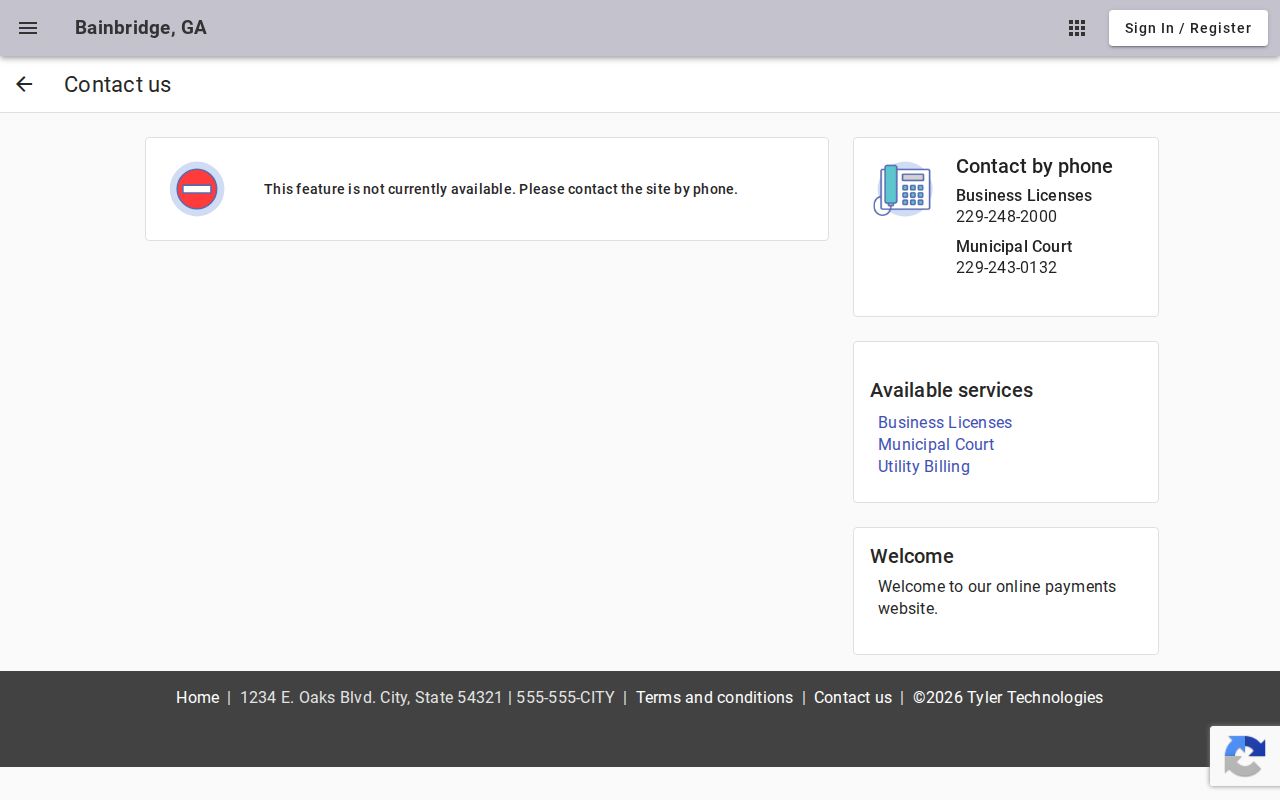
Bainbridge's citation channel cannot settle every county arrest-warrant question. It fits only when a city citation or municipal case is the likely root. When you do not know the source, work outward in a fixed order. Ask Magistrate Court first whether it holds a warrant application or preliminary file. Then ask the county clerk whether an executed warrant landed in State or Superior Court. Then ask the sheriff about execution or custody details. A city-origin matter needs a separate confirmation with the Bainbridge Municipal Court file. This office-by-office approach mirrors how Decatur County splits its records, and it keeps a payment portal, a booking page, or a criminal-history product from standing in as a full warrant answer.